


Going Beyond the Label

Why Organic Farming Matters to Our Health & Future Generations

October 6, 2026

Energetic Health Institute

Energetic Health Institute

AT A GLANCE

  • Healthy food starts with nutrient-rich soil and organic farming practices.
  • “Organic” goes beyond the label. It includes regenerative, biodynamic, and agroecological farming practices that work with nature to build healthier ecosystems.
  • Every bite is part of our story. What we eat is a choice we make for the health of the food system we leave for future generations.

INTRO

True story—years ago, I was walking through a local farmers’ market in Los Angeles when I overheard a conversation…

It was one of those moments that stayed with me, and as I began writing this article, I found myself reflecting on it.

I paused to listen to a farmer, with striking silver-white hair and a weathered smile, as he chatted to a young couple. I admired his subtle confidence, one that seemed to stem from years of working the land and loving every moment of it, even during challenging times.
As the farmer carefully arranged his bounty of fruits and vegetables, he said something to the couple that resonates within me to this day…

“Every bite of food that nourishes your body carries a story that begins beneath our feet—in the soil, in the way it is farmed, in the quality of the water that gives it life, and in the love whispered over it.”

At the time, conversations about GMOs, synthetic chemicals, pesticide exposure, soil degradation, a lack of biodiversity, and mass food production were just beginning to seep into mainstream media.

As I have learned about nutrition, natural medicine, and how the body functions, I’ve come to appreciate that farmer’s message more deeply.
Now a holistic practitioner, I share this wisdom with each individual I have the privilege to assist:

  • What happens in the soil matters;
  • The quality of the seed matters;
  • The quality of the water matters;
  • How our food is grown matters;
  • And what we put on our plates matters, too!
The most comprehensive education, if you are assisting your clients to overcome auto-immune disease, digestive distress & weight challenges.
— Kristin C.

The Best Nutrition

Certification!

5.0

The most comprehensive education, if you are assisting your clients to overcome auto-immune disease, digestive distress & weight challenges.
— Kristin C.

The Best Nutrition

Certification!

5.0

“ORGANIC” IS ABOUT MORE THAN AVOIDING PESTICIDES

Organic agriculture is a philosophy built around ecological processes, biodiversity, and natural nutrient cycles. The organic farmer understands that chemical pesticides and toxic runoff harm soil ecosystems and compromise our health.

To label a food “organic,” the grower must restrict or avoid the use of many synthetic fertilizers, pesticides, and genetically engineer (GME) seed and other additives. (1)

This philosophy speaks the language of sustainability—especially for our future generations.

Keeping soil alive and healthy takes care and an awareness that what we do on the land today can affect life grown upon it for years to come.

WHAT DOES “ORGANIC” ON THE LABEL REALLY MEAN?

Not all organic labels mean the same thing. In the United States, there are four levels of organic labeling:

  • 100% Organic
  • Organic (at least 95% organic ingredients)
  • Made With Organic Ingredients (at least 70% organic ingredients)
  • Products that identify specific organic ingredients when less than 70% of the ingredients are organic.
The USDA Organic seal can be used on products in the first two categories, but not on the latter two. So, when choosing organic, it’s worth looking beyond the word “organic” and paying attention to what the label actually tells you. (2)

A BIGGER CONCERN THAN LABELING

What comes with non-organic foods?

At EHI, you learn why pesticide exposure deserves attention and what research reveals about its links to neurological, reproductive, respiratory, and many other chronic health conditions. (3)

I’m sure by now you have heard of glyphosate. This chemical is an agricultural herbicide widely used on crops engineered to tolerate it. These crops include GMO corn, soybeans, cotton, canola, sugar beets, alfalfa, papaya, squash, apples, and potatoes.
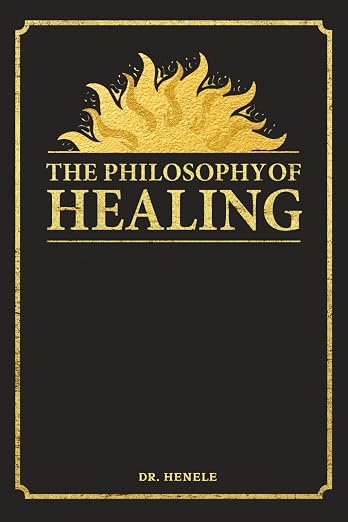
“If you want to know the truth separating the differences between allopathic & holistic medicine such as naturopathy, homeopathy, etc., this book is a must read!” — Bonnie C.
The health concern around glyphosate isn’t simply its residue, because that residue doesn’t just sit on the surface of the food. It is taken up into our food supply through crops, soil, air, and water. Meaning, you CAN’T simply wash it off. 

This makes exposure a great deal more complicated than washing an apple. (4)

A review of 35 studies found that organic diets consistently reduced urinary pesticide metabolites in the body, indicating lower exposure to certain pesticides than organic food’s non-organic counterparts. (5) (6)

GLYPHOSATE AND EXPOSURE

As of this writing, glyphosate-based herbicides continue to be used on everything from GMO soybean fields to suburban sidewalks. Meanwhile, regulators in the United States and Europe claim that the doses most people encounter are safe. (7)

A recent three-generation animal study examined glyphosate and glyphosate-based herbicides and reported anxiety-like behavioral changes, neurological limitations, and a number of other results, even if the subject was never in direct contact with the herbicide. (8)

"Keeping soil alive and healthy takes care
and an awareness that what we do on the land today can affect life grown upon it for years to come."

These results add to ongoing questions about possible connections with neurodevelopmental conditions such as ADHD and Autism, as well as cumulative environmental pollution.

However, the conversation about pesticide use should not be based in fear, but in awareness and the power of choice.
See What Dr. H Recommends For Holy Water
Save 10% w/ Code EHI*
*Valid on All Products Except Saunas,
Air Purifiers and Red Lights.

WHAT ALL THIS MEANS TO OUR HEALTH

Every bite we take has an impact on the environment outside our bodies and inside them.

From field to fork, food wends its way into another ecosystem — our gut microbiome.
The gut-brain connection is a complex relationship involving immune, metabolic, hormonal, and nervous system pathways. (9)

This reminds us that our food participates in a conversation that goes far beyond the dinner table. It enters our thoughts, moods, and emotions.

So, perhaps that farmer in Los Angeles wasn’t only referring to organic foods.

Maybe, he was reminding us to look at the whole story as a cycle and consider our individual role within it.
the soil → the farmer → the food → our gut health → our brain health → our health choices
Instead of simply asking, “Is organic better?”

Perhaps we can start by asking, “What story do I want my food to tell?”

OUR BEST CHOICES ARE OUR HEALTHIEST ONES

As Dr. H. reminds us, “We vote with our dollars.” Every purchase we make is a choice about the kind of food system we support.

Choosing organic and, if possible, locally grown foods is one great way to support farmers and invest in healthier soil and more eco-friendly growing practices. (10)

…Because nourishment isn’t just about calories, vitamins, and minerals.
You can support organic and sustainable farming by:

  • Purchasing organic products from local farmers’ markets;
  • Growing your own vegetables and herbs;
  • Joining community-supported agriculture programs;
  • Educating yourself about where your food comes from and choosing sustainably produced foods;
  • Backing policies that promote organic farming practices.
A healthier relationship with food may start with a few simple questions:

  • Where did my food come from?
  • Who grew it?
  • How was the soil cared for?
  • What chemicals were applied to it?
  • What kind of farming system do we support with the choices we make?

    Because every bite truly does tell a story.

Are you eager to learn more about healthy eating and how to support your body holistically?

If your answer is “Yes!” check out EHI and learn about our Holistic Nutrition Certification.

ABOUT THE AUTHOR

M. Moriah Mor, ND, CHN, is a Naturopathic Practitioner, Certified Holistic Nutritionist, and founder of GreenSilk.com. She is dedicated to helping people live healthier lifestyles through education, nutrition, and premium natural health products. With more than 18 years in the wellness field, Moriah is a graduate of the Energetic Health Institute, AMCC, and the University of Southern California. She is passionate about researching the latest breakthroughs in holistic health.

More Articles You'll Love

DISCLAIMER & COMPLIANCE

***All Information Shared In This Article Is For Educational Purposes Only. All Statements Have Not Been Evaluated By The US Food and Drug Administration (FDA). Go Here For A Current List Of The FDA’s Position On Various Therapeutic Interventions. We Are Required To Inform You That Any Information Presented In This Article Is Not Intended To Advise, Diagnose, Treat, Cure, Or Prevent Any Disease Including COVID. Additionally, We Are Required To Inform You That Any Information Presented In This Article Is Not Intended To Constitute Legal Advice Or Service. Always Consult With Qualified Licensed Medical Professionals & Legal Experts Before Enacting Any Information Presented Herein.***

***Please Be Aware That At No Time Will EHI Offer Advice, Guidance, Or Direction With Respect To Whether Or Not An Individual Should Or Should Not Receive COVID Gene Modification Shots In Clinical Trial According To The National Institutes Of Health (NIH). We Encourage All People To Review Available Safety & Efficacy Data, Published By The CDC Through The Vaccine Adverse Events Reporting System (VAERS) And The CDC’s COVID Data Tracker, With Their Trusted Healthcare Team And Make The Decision That Is Right For Them. We Support Every Individual’s Rights As Patients To Agree To Or Decline Any Medical Procedure As Stated In The American Medical Association’s Code Of Medical Ethics 1.1.3(d).***

***In A Transparent Effort To Be In Full Compliance With The US Food and Drug Administration (FDA) and Federal Trade Commission (FTC) Regarding Prevention, Treatment, & Deceptive Practices (15 U.S. Code § 57b & Section 19 of the FTC Act), We Are Required To Notify You That The Information Presented In This Article Is A Collection Of Peer-Reviewed Empirical Evidence, But Has Not Yet Been Evaluated By The FDA For Safety & Efficacy. None Of The Information Provided Is Intended To Replace The Care And Supervision Of Qualified Licensed Medical Professionals Or The Legal Advice Of Licensed Attorneys.***

Did You Get Your Free EMF Guide?

Worried about EMFs? Don't be! Get the best sleep of your life & download your FREE EMF Guide today!

EMF Guide Download