



Is Your Family Eating Plastic Tonight?

The Secret Ingredient Missing from Great-Grandma’s Cookbook

October 22, 2026

Energetic Health Institute

Energetic Health Institute

AT A GLANCE

  1. Plastics and microplastics are everywhere, including inside our bodies. And when it comes to our health, that’s a big concern.
  2. How we store and prepare food impacts how much microplastic gets into us.
  3. Learn 10 cooking & storage practices that may help reduce your exposure.

INTRO

Some research tells us that we could be consuming up to a million plastic particles every day. Is that something you want for your family? (1)

I didn’t think so. Especially not when I’m about to tell you how you may be able to reduce that giant number.

Wanting to protect my family from microplastics had me asking myself, What I can do about it? So, I looked into it.

If you’re even a little concerned about microplastic toxicity, you’ll want to keep reading…

MICROPLASTICS AND FOOD

Microplastic is finding its way into your food, and it’s definitely not an ingredient your grandma or great-grandma considered when she wrote down her favorite recipes in her cookbook.

The fact that microplastic particles are so small you can’t see them makes exposure difficult to measure and their risk to our health easy to overlook.

However, the World Health Organization is clear that microplastic exposure is widespread.

Researchers know that it comes from a variety of sources and can be found in what we eat, drink, and breathe.
Researchers have also detected microplastics in human tissues and bodily fluids, and in living organisms all around the world. Microplastics have been discovered in our blood, stool, urine, lung tissue, placentae, breast milk, cardiac tissue, and semen, among other tissues and fluids. (2) (3)

The jury is still out on how much plastic enters our bodies, where it goes, how long it sticks around, or what harm it has on our health. (4) (5)

Is any exposure to microplastics “safe”?
“The Holistic Nutrition Certification at EHI was such a special experience for me! It gave me so many tools to support others effectively.”
— Angelica L.

The Best Nutrition

Certification!

5.0

“The Holistic Nutrition Certification at EHI was such a special experience for me! It gave me so many tools to support others effectively.”
— Angelica L.

The Best Nutrition

Certification!

5.0

That’s a hot topic for sure. And the steam is rising as general health concerns heat up.

Many curious individuals are seeking out the worst sources of microplastic exposure and possible correlations with inflammation, oxidative stress, immune responses, metabolism, hormone balance, and other cellular effects. (6) (7)
We already know that some chemicals associated with plastics and their production can affect biological systems.

You’ve probably heard of some of the big players that touch our food like phthalates, bisphenols (such as BPA), per- and polyfluoroalkyl substances (PFAS), styrene, and other additives. (8) (9)

In fact, out of the nearly 85,000 human-made chemicals in the world, more than a thousand of them are believed to be endocrine disruptors. (10)

This makes me very interested to learn what influence these tiny synthetic particles may have on our health.
But while we wait for those study result to come out, let’s see what we can do to sidestep the experiment and turn our attention to prevention.

Does that resonate with you?
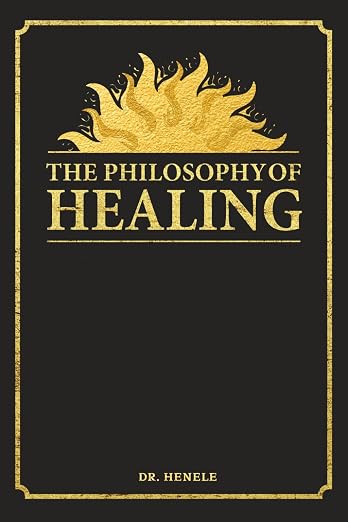
“If you want to know the truth separating the differences between allopathic & holistic medicine such as naturopathy, homeopathy, etc., this book is a must read!” — Bonnie C.

YOUR KITCHEN MATTERS

What we choose for cooking, storing, and serving our food can impact what we ultimately ingest.

Microplastics and associated chemicals that come in contact with our food can migrate into it without being seen, smelled, or tasted. (11)
Consider your containers for food storage and how you handle them. The biggest contributors to microplastic contamination are:

  • Heat – higher heat leads to more plastic and chemical leaching
  • Time – longer contact can increase microplastic migration
  • Food composition – acidity and fat levels influence plastic degradation
  • Mechanical wear – scratching, abrasion, aging, and physical stress cause plastic particles to break free
  • Packaging types – some plastics break down faster than others (12)

TEN SIMPLE CHANGES YOU CAN MAKE TODAY

So, what can you do to reduce your exposure?

While you can’t completely eliminate microplastics from your life, evidence suggests you can significantly reduce your plastic burden.

Since studying with EHI, I’ve made some simple changes in my kitchen to reduce my family’s exposure to plastics. And you can, too…
See What Dr. H Recommends For Holy Water
Save 10% w/ Code EHI*
*Valid on All Products Except Saunas,
Air Purifiers and Red Lights.
Here are 10 ideas to tweak your kitchen habits:

    1. Switch out your plastic cutting board for wood (maple, bamboo, or walnut work great) Note: For food safety, it’s a good idea to use one for raw meat/fish and another for all other foods.
    2. Avoid heating food in plastic containers – especially in the microwave. This includes containers marked “microwave-safe” and “oven-safe.” (Those labels just mean the container will survive the cooking process.)
    3. Use glass, porcelain, ceramic, or stainless steel for serving and storing hot foods and liquids.
    4. Avoid using single-use containers for long-term food storage.
    5. Replace (and discard) damaged, scratched, stained, or old plastic containers.
    6. Swap your plastic cooking utensils for wood or stainless steel.
    7. Use silicone responsibly – for scraping, folding batter, or other cold uses.
    8. Limit use of plastic wraps – store hot food in glass containers, and for cold food choose beeswax wraps or unbleached, chlorine-free parchment paper. (My personal favorite is “If You Care” brand.)
    9. Limit use of conventional “take-out” food containers.
    10. Eat on glass, ceramic, or porcelain plates and dishes.

WHERE CAN YOU GO FROM HERE?

With these simple changes, you can make a big difference to your plastic exposure and potentially improve your health.

While there’s still much to learn about microplastic toxicity, I do know that my great-grandmother’s kitchen contained a lot less plastic.

At EHI, we learn to choose consciously and responsibly, and we enjoy the peace of mind that comes with making good choices today for a healthier tomorrow.

Are you curious about toxic exposures and eager to learn how to reduce and reverse their effects on your health? If so, come check out our Cellular Healing Certification.

ABOUT THE AUTHOR

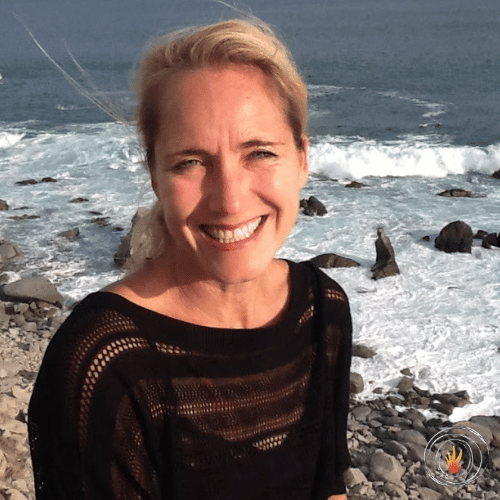
Lisa Meller, CMP, CITP, CED, CHN is a proud graduate of the Energetic Health Institute.  Owner /Founder of Noveluma, LLC and Meller Performance Events Group, she specializes in helping people improve performance through holistic nutrition and experiential events that help people feel their best. She is a multi-time National and World Masters Diving champion who shares her passion for health, vitality, and natural healing into every facet of her work.

DISCLAIMER & COMPLIANCE

***All Information Shared In This Article Is For Educational Purposes Only. All Statements Have Not Been Evaluated By The US Food and Drug Administration (FDA). Go Here For A Current List Of The FDA’s Position On Various Therapeutic Interventions. We Are Required To Inform You That Any Information Presented In This Article Is Not Intended To Advise, Diagnose, Treat, Cure, Or Prevent Any Disease Including COVID. Additionally, We Are Required To Inform You That Any Information Presented In This Article Is Not Intended To Constitute Legal Advice Or Service. Always Consult With Qualified Licensed Medical Professionals & Legal Experts Before Enacting Any Information Presented Herein.***

***Please Be Aware That At No Time Will EHI Offer Advice, Guidance, Or Direction With Respect To Whether Or Not An Individual Should Or Should Not Receive COVID Gene Modification Shots In Clinical Trial According To The National Institutes Of Health (NIH). We Encourage All People To Review Available Safety & Efficacy Data, Published By The CDC Through The Vaccine Adverse Events Reporting System (VAERS) And The CDC’s COVID Data Tracker, With Their Trusted Healthcare Team And Make The Decision That Is Right For Them. We Support Every Individual’s Rights As Patients To Agree To Or Decline Any Medical Procedure As Stated In The American Medical Association’s Code Of Medical Ethics 1.1.3(d).***

***In A Transparent Effort To Be In Full Compliance With The US Food and Drug Administration (FDA) and Federal Trade Commission (FTC) Regarding Prevention, Treatment, & Deceptive Practices (15 U.S. Code § 57b & Section 19 of the FTC Act), We Are Required To Notify You That The Information Presented In This Article Is A Collection Of Peer-Reviewed Empirical Evidence, But Has Not Yet Been Evaluated By The FDA For Safety & Efficacy. None Of The Information Provided Is Intended To Replace The Care And Supervision Of Qualified Licensed Medical Professionals Or The Legal Advice Of Licensed Attorneys.***

A Healthier Life Starts Here!

Discover the power of the Life-Healing Arts & Sciences through inspiring, educational articles.

Sign-up to get fresh EHI Articles every week and start Making Healing Happen!

Newsletter Sign Up (Footer)