
Library

Hugging Changes Your Chemistry

Article in a Nutshell

"When humans go without physical touch, they can experience
many different side effects. Often an increase in stress
hormones, times of depression, and even physical pain."

Intro

Hugging is not only important for kids, but for adults too! We often think of hugs as emotional gestures — comforting, loving, and familiar. What many people don’t realize is that hugs aren’t only for showing you care.

They don’t just feel good; they actually change our body chemistry, too. A hug is a biological event. A nervous system reset. A quiet recalibration of the body, back toward safety, connection, and resonance. In a world that is increasingly overstimulating, isolating, and anxious, hugs matter more than we realize. (1) (2)
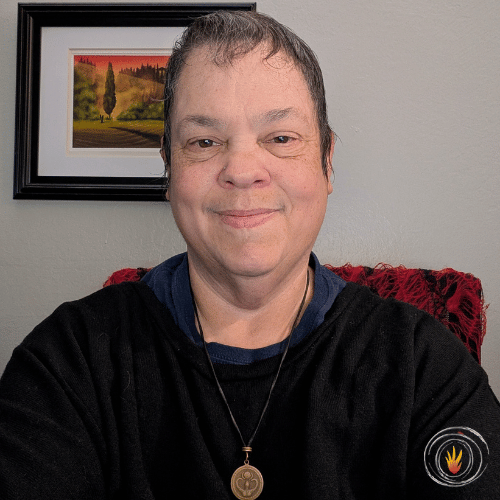
Picture of Wendy Hiller, CHN

Wendy Hiller, CHN

Executive Director for
Community Education at
Energetic Health Institute

  • EHI Logo Minimalist
    Energetic Health Institute
  • February 24, 2026

The Science Behind a Hug

When we hug someone — even for as little as 20 seconds — our bodies release a cascade of neurochemicals that directly affect how we feel and function. (3)

At the same time, hugs can:

These neurochemicals are why a good hug can feel grounding, soothing, and even healing. Your body is responding exactly as it was designed to. (1) (2) (6)

Why Hugs Feel Healing During Hard Times

Why Hugs Feel Healing During

Hard Times

When we’re grieving, overwhelmed, or emotionally raw, words often fall short. Hugs however, bypass language entirely. Touch communicates reassurance at a primal level — the same way a parent’s embrace can calm a child.

That’s not a weakness. That’s biology.

In moments of emotional pain, a hug can:
Sometimes the most supportive thing we can offer, or receive, is quiet presence and physical connection.
During times of emotional overwhelm, the thinking mind often struggles to process experience. Touch bypasses the cognitive layer and communicates directly with the body, which is why hugs can often feel more helpful than advice. They work at the level where stress is stored, the nervous system and the body.

Sometimes the most supportive thing we can offer, or receive, is quiet presence and physical connection. Hugging can also help us feel more connected to others and less alone. After a traumatic event or loss, we can feel isolated and even disconnected. Hugging can help us feel less alone and more connected again. When we hug someone, we are allowing ourselves to be vulnerable. This vulnerability can help us feel less stressed and be able to process our grief in a more gentle way. (1) (2) (7)
When we’re grieving, overwhelmed, or emotionally raw, words often fall short. Hugs however, bypass language entirely. Touch communicates reassurance at a primal level — the same way a parent’s embrace can calm a child.

That’s not a weakness. That’s biology.

In moments of emotional pain, a hug can:
Sometimes the most supportive thing we can offer, or receive, is quiet presence and physical connection.
During times of emotional overwhelm, the thinking mind often struggles to process experience. Touch bypasses the cognitive layer and communicates directly with the body, which is why hugs can often feel more helpful than advice. They work at the level where stress is stored, the nervous system and the body.

Sometimes the most supportive thing we can offer, or receive, is quiet presence and physical connection. Hugging can also help us feel more connected to others and less alone. After a traumatic event or loss, we can feel isolated and even disconnected. Hugging can help us feel less alone and more connected again. When we hug someone, we are allowing ourselves to be vulnerable. This vulnerability can help us feel less stressed and be able to process our grief in a more gentle way. (1) (2) (7)

What Happens When Touch Is Missing

When humans go without physical touch, they can experience many different side effects. Often an increase in stress hormones, times of depression, and even physical pain.

Sometimes this can be referred to as touch deprivation or touch hunger. The body interprets prolonged lack of touch as a lack of safety.

Without regular connection:
The body doesn’t distinguish between emotional and physical isolation. It simply registers absence. (1) (2) (7)

Hugs trigger the parasympathetic response in our nervous system. Often referred to as the “rest and digest” mode. When your body is in this parasympathetic state, it tells your body: You’re safe. You can soften. You don’t need to be on guard.

If you face chronic stress, anxiety, or emotional overload, this info is key. When you don’t have enough safe moments, your body can get stuck in the sympathetic nervous system. Also known as “fight-or-flight” mode. Staying in this mode long-term can impact sleep, digestion, immunity, and emotional regulation.

A hug is one of the fastest ways to bring the body back into balance. (2) (3)

Final Thoughts

Hugs change chemistry because we are chemical beings designed for connection.

Hug: Lower stress, improve our health – mind, body, and spirit. Build trust, soften defenses, and remind the body that it doesn’t have to do everything alone.

In a world that constantly pulls us into our heads, hugs bring us back into our bodies and back to each other!

So hug longer.

Hug intentionally.

Hug like it matters… Because it does!

About the Author

Wendy Hiller, CHN, is the Executive Director for Community Education at the Energetic Health Institute. She is a passionate teacher, an adventurous traveler, and lifelong learner always striving to step out of her comfort zone to find the answers.

Wendy is a Certified Holistic Nutritionist, Certified Body Worker and Reiki Master Teacher as well as holding an MFA Master’s Degree from Southern Illinois University at Carbondale.

Promo Code:
"EHI" (10% off)

Promo Code:
"EHI" (10% off)

Harmony 783 Logo

Promo Code:
"EHI" (15% off)

Graith Care Logo

Promo Code:
"EHI" (10% off)

Graduate Spotlight

Amber McCrea, a Therapeutic Nutritionist, specializes in holistic nutrition and Emotionally Focused Therapy (EFT). Her mission is to guide women on a transformative journey of self-connection and fostering deeper connections with others. Through her podcast Connection Over Perfection, she celebrates the beauty of holistic well-being and the power of authentic connections.

More Articles We Think You'll Love

Article Citations

DISCLAIMER & COMPLIANCE

***All Information Shared In This Article Is For Educational Purposes Only. All Statements Have Not Been Evaluated By The US Food and Drug Administration (FDA). Go Here For A Current List Of The FDA’s Position On Various Therapeutic Interventions. We Are Required To Inform You That Any Information Presented In This Article Is Not Intended To Advise, Diagnose, Treat, Cure, Or Prevent Any Disease Including COVID. Additionally, We Are Required To Inform You That Any Information Presented In This Article Is Not Intended To Constitute Legal Advice Or Service. Always Consult With Qualified Licensed Medical Professionals & Legal Experts Before Enacting Any Information Presented Herein.***

***Please Be Aware That At No Time Will EHI Offer Advice, Guidance, Or Direction With Respect To Whether Or Not An Individual Should Or Should Not Receive COVID Gene Modification Shots In Clinical Trial According To The National Institutes Of Health (NIH). We Encourage All People To Review Available Safety & Efficacy Data, Published By The CDC Through The Vaccine Adverse Events Reporting System (VAERS) And The CDC’s COVID Data Tracker, With Their Trusted Healthcare Team And Make The Decision That Is Right For Them. We Support Every Individual’s Rights As Patients To Agree To Or Decline Any Medical Procedure As Stated In The American Medical Association’s Code Of Medical Ethics 1.1.3(d).***

***In A Transparent Effort To Be In Full Compliance With The US Food and Drug Administration (FDA) and Federal Trade Commission (FTC) Regarding Prevention, Treatment, & Deceptive Practices (15 U.S. Code § 57b & Section 19 of the FTC Act), We Are Required To Notify You That The Information Presented In This Article Is A Collection Of Peer-Reviewed Empirical Evidence, But Has Not Yet Been Evaluated By The FDA For Safety & Efficacy. None Of The Information Provided Is Intended To Replace The Care And Supervision Of Qualified Licensed Medical Professionals Or The Legal Advice Of Licensed Attorneys.***