



Vitamin D and the Five Elements Perspective

Vitamin D and the Five Elements Perspective

Vitamin D and the Five Elements Perspective

Article in a Nutshell

Vitamin D (calciferol) is known as the “sunshine vitamin,” and it plays a vital role as a messenger in cellular metabolism and promoter of optimal organ function. Additionally, it helps with cellular growth, neuromuscular and immune function, and inflammation reduction. But perhaps vitamin D’s most well-known role involves calcium absorption and its support of the three phases of bone formation: mineralization, growth, and remodeling.

Being a fat-soluble vitamin, means vitamin D dissolves in fats (lipids) and can be stored in your body for extended periods until it is needed. Its two major forms are vitamin D2 (ergocalciferol) and vitamin D3 (cholecalciferol).
When we speak about “fortifying” foods with vitamin D, such as cereal and milk, this typically involves vitamin D2, while vitamin D3 is synthesized during sun exposure, is found naturally in certain foods, and is available to us through supplementation.

Vitamin D was discovered during the 1930s while researchers looked for a potential cure for rickets in children and osteomalacia in adults. As a result, the U.S. began fortifying foods with vitamin D, which drastically decreased the number of children who developed rickets. However, many children today are still at risk of developing rickets because they spend so many of their daylight hours indoors or find themselves lathered in toxic sunscreens when they go outside.

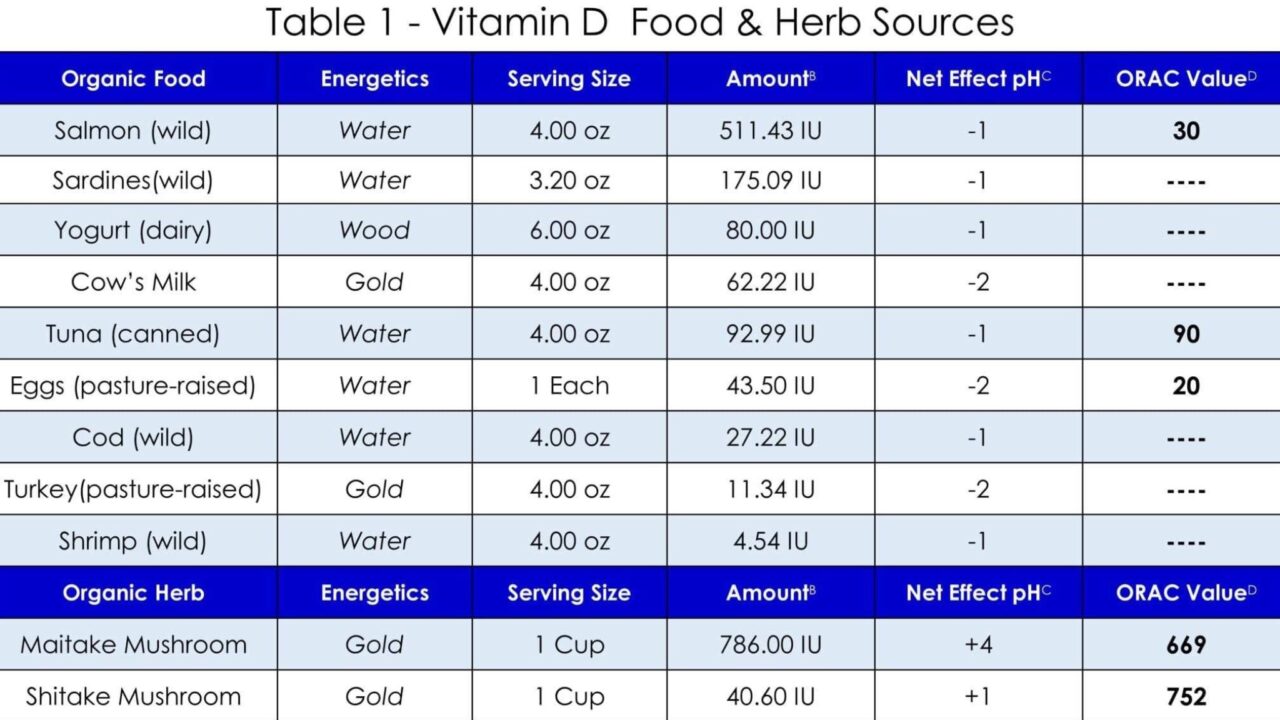
Vitamin D foods like Wild Caught Salmon and Sardines stimulate your Water Element, leading to positive Energy Cultivating Responses like being able to Trust in Life’s Perfection.

We can change the world and make it a better place.
It is in our hands to make a difference.

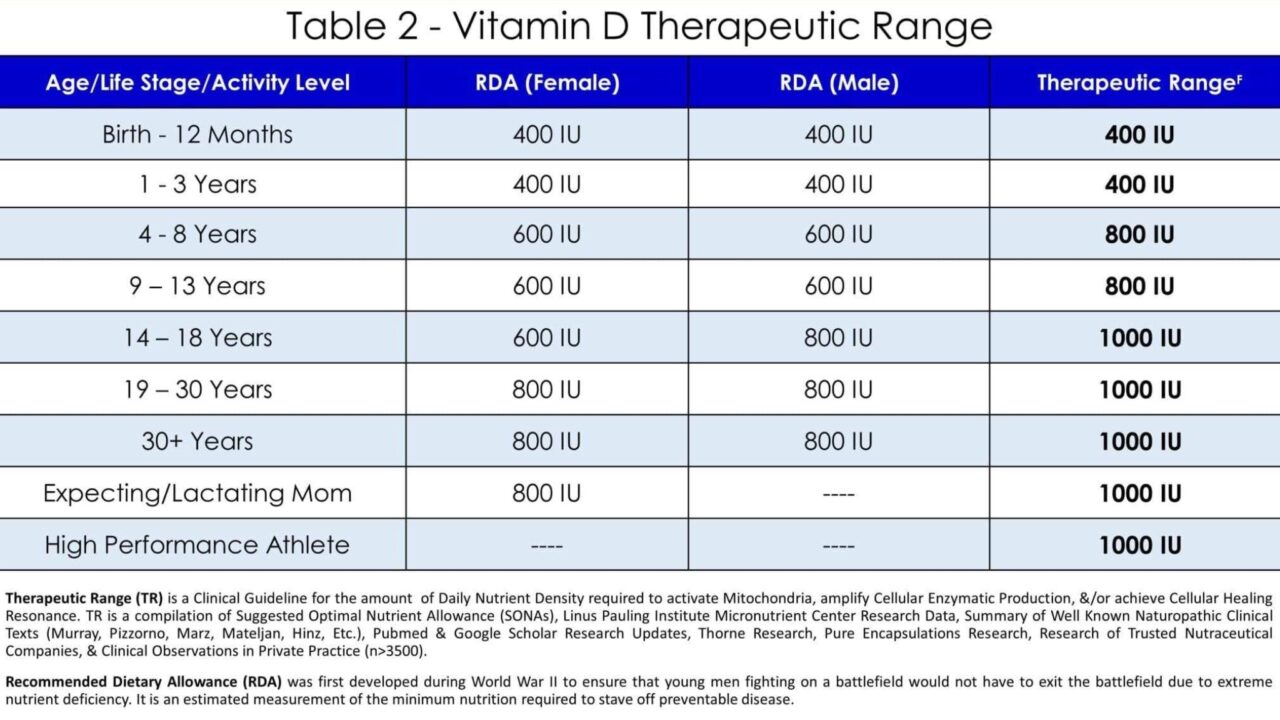
This insufficiency forces parents to rely on fortified vitamin D foods and supplements. Yet despite this, vitamin D deficiency has reached epidemic proportions in the US, especially for individuals residing in the northern latitudes, as evidenced by increased rates of osteoporosis. It is estimated that 41.6% of the U.S. population is deficient in vitamin D to some degree. That means, as a population, we need to get out into unmuted sunlight whenever we can. (1)

Thanks to Ultraviolet B (UV-B) waves of light, vitamin D can be produced naturally in the skin, directly from cholesterol, through a series of built-in human biochemical reactions. This is fortunate because it can only be found in a few foods; these include fatty fish (such as sardines and salmon), eggs, yogurt, and mushrooms.

When You Don’t Have Enough Vitamin D

The key factors affecting your ability to utilize vitamin D from the sun are: the time of day, cloud cover, season, latitude, clothing, and your skin tone. The darker your skin, the more clothes covering your body, the further north you live from the equator, the shorter the daytime, and the cloudier the sky, the more difficult it is for your body to synthesize vitamin D from its cholesterol precursor. Add the use of sunscreens that block UVB light, and your body will have a real challenge absorbing any vitamin D at all.
Signs and symptoms of acute vitamin D deficiency include loss of balance, depression, low immune function, chronic fatigue syndrome, muscle weakness, digestive disorders, and metabolic syndrome.

Signs and symptoms of chronic Vitamin D deficiency include epilepsy, asthma, dementia, psoriasis, hypertension, multiple sclerosis, osteomalacia, osteoporosis, rickets, chronic obstructive pulmonary disease, diabetes, rheumatoid arthritis, increased risk of cancer (especially breast, colon, and prostate), and digestive disorders. (2) (3)

How Vitamin D Benefits Our Bodies

Vitamin D3 (cholecalciferol) is activated by physiologic transformations that lead to the formation of calcidiol in the liver and calcitriol in the kidneys. Calcitriol stimulates vitamin D receptors (VDRs) within cells, which helps regulate between 100 and 1250 genes within their nuclei. Vitamin D is also responsible for the production of calcium-binding protein, which increases calcium absorption along the digestive tract. When calcium levels are low, parathyroid hormone stimulates the production of more calcitriol, and as calcium levels rise, calcitriol production diminishes. (4) (5) (6) (7) (8)

Additionally, calcitriol binds to VDRs that are abundant in the nuclei of immune cells. In its activated form, calcitriol can behave like a cytokine to signal cellular upregulation of the immune system. In vitro studies have also shown that Vitamin D plays a role in the synthesis of neurotrophic factors, which enhance brain development and function, nitric oxide synthase, which acts to balance blood pressure, and glutathione, the body’s most potent antioxidant. Vitamin D is also a prohormone, which increases the intestinal absorption of three critical minerals: calcium, phosphate, and magnesium. (9) (10) (11)

Vitamin D supports many systems in our body and provides the following benefits:

• Lowers risk of hypertension

• Lowers risk of cardiovascular disease

• Lowers risk of stroke

• Lowers risk of inflammatory bowel disease
• Maintains healthy gut balance of microbes
• Helps avoid metabolic syndrome
• Helps control food cravings
• Helps control skin issues

• Helps avoid diseases of the nervous system (e.g., multiple sclerosis)
• Maintains brain health
• Lowers risk of diabetes
• Helps avoid colds and flus
• Strengthens overall immunity
• Lowers risk of cancer
• Lowers risk of autoimmune disease
Additional benefits of vitamin D include:
• Enhances calcium and phosphate absorption in the intestinal mucosa
• Calcidiol (storage form) produced in the liver through phase 1 hydroxylation
• Calcitriol (active steroid form) produced in the kidneys through phase 2 hydroxylation
• Promotes bone growth and remodeling by osteoblasts and osteoclasts
• Regulates cell proliferation, differentiation, and apoptosi
• Helps reduce & clear arterial plaque
• Greatly reduces the risk of cognitive impairment
• Stimulates the production of immune cells (monocytes, T, and B)
• Acts as a cytokine to fight microbial pathogens
• Regulates cell apoptosis

• Lowers risk of hypertension

• Lowers risk of cardiovascular disease

• Lowers risk of stroke

• Lowers risk of inflammatory bowel disease
• Maintains healthy gut balance of microbes
• Helps avoid metabolic syndrome
• Helps control food cravings
• Helps control skin issues

• Helps avoid diseases of the nervous system (e.g., multiple sclerosis)
• Maintains brain health
• Lowers risk of diabetes
• Helps avoid colds and flus
• Strengthens overall immunity
• Lowers risk of cancer
• Lowers risk of autoimmune disease
Additional benefits of vitamin D include:
• Enhances calcium and phosphate absorption in the intestinal mucosa
• Calcidiol (storage form) produced in the liver through phase 1 hydroxylation
• Calcitriol (active steroid form) produced in the kidneys through phase 2 hydroxylation
• Promotes bone growth and remodeling by osteoblasts and osteoclasts
• Regulates cell proliferation, differentiation, and apoptosi
• Helps reduce & clear arterial plaque
• Greatly reduces the risk of cognitive impairment
• Stimulates the production of immune cells (monocytes, T, and B)
• Acts as a cytokine to fight microbial pathogens
• Regulates cell apoptosis

Vitamin D and the Five Elements Perspective

Because of vitamin D’s extensive health effects, its energetics fall under three of the Traditional Chinese Medicine (TCM) Elements: Water (kidney, urinary bladder, and adrenal glands), Gold (lung, large intestine, thyroid, and parathyroid), and Wood (liver, gallbladder, and reproductive glands). Eating organic alkalizing foods, herbs, and supplements rich in vitamin D supports these elements and their associated organs.

“The 5 Elements Perspective” is an EHI teaching concept that unifies the best from Western medical sciences with the best of Eastern scientific practices. It incorporates TCM and Ayurveda in a comprehensive manner through holistic assessment and natural treatments for disease. These elements consider both emotional status and scientific principles as useful tools in the development of natural treatment plans designed to work with your body’s innate healing processes. Your body is designed to heal using what Mother Nature provides, while energetics makes it all possible.

The Wood Element

Wood Element organs include the liver and gallbladder. This element also supports the reproductive glands. Foods that aid these organs and glands include those that are naturally sour and green in color (containing chlorophyll). Organic alkalizing foods will help generate positive energy-cultivating moods that can make you less prone to fits of frustration or anger. Lifestyle practices like a 28-Day Energetic Cleanse can give your Wood Element organs the attention they need to keep your body feeling fantastic. (12)

The Gold Element

Healthy lifestyle practices that support your Gold Element will help your Lungs, Large Intestine, Thyroid and Parathyroid. Foods that are naturally savory and spicy, and white/blue in color (anthocyanins, again) are excellent choices for this element. Supportive foods generate positive energy-cultivating responses that can help you overcome “feeling stuck” or keeping emotions locked up inside you. Practices like “Speaking Your Truth” (in a loving way) can give your Gold Element organs the relief they need to perform at a high level.

The Water Element

Foods, herbs, thoughts and lifestyle practices that support the Water Element will have positive effects on your Kidneys, Urinary Bladder, & Adrenals. Foods and herbs with an alkalizing net effect pH, especially foods that are naturally salty and black (blue/purple) in color—which contain a type of flavonoid called anthocyanins—are very beneficial. Organic alkalizing foods will typically generate positive energy-cultivating moods that can help you overcome anxiety while also calming your nervous system, leading to improved digestion and sleep. Lifestyle practices like drinking clean water and organic herbal teas can give your Water Element organs the hydration they need for optimal performance.

Energy-Cultivating Responses &
Energy-Draining Reactions

The foods we eat become the moods we feel. How is this possible? It’s just food, after all, right?

But, if we were to say, ‘You are what you eat,’ would that seem far-fetched? Of course not, because the foods you eat literally become structures within your body. Fats (healthy or unhealthy) become integrated within the phospholipid bilayer of your cells. Proteins become your bones, muscles, and organs. We literally are what we eat, but can the same be true of our emotional state?

What you feel has a great deal to do with what you eat. Neurotransmitters, the molecules of emotion, are biochemical compounds your body makes every moment of every day. And where does the source material for your neurotransmitters come from?

That’s right, from the food you eat. What you eat becomes what you feel. Eat acidic foods tainted with pesticides, GMOs, preservatives, and other chemical pollutants, and your moods will trend toward negative energy-draining reactions because pollution disrupts homeostasis. Anger isn’t just anger; it’s a sign of nutritional imbalance and toxicity, typically the result of too many chemicals in the bloodstream. Eat organic plant-based alkalizing foods, free from chemicals that effectively short-circuit your nervous system, and your moods will trend toward positive energy-cultivating responses (See the “Energetic Health – 5 Element Perspective” chart). Food is medicine, even for the mind, and clean foods lead to positive moods.

With respect to vitamin D, foods like wild-caught salmon and sardines stimulate your Water Element, leading to positive energy-cultivating responses like being able to trust in life’s perfection, being faithful, and believing in yourself. Clean nutrient-dense foods can help you be the best version of you. A food like organic yogurt, that stimulates your Wood Element, can lead to energy-cultivating responses such as being patient, peaceful, and confident. Foods like shiitake mushrooms, that stimulate your Gold Element, can lead to energy-cultivating responses like being forgiving and open to speaking your truth.
Final Thoughts

At the Energetic Health Institute, we’re excited about how awesome vitamin D is for keeping us healthy. It’s like a superhero for the body that helps keep our bones, immune system, and energy levels optimal. But, guess what?

Many of us don’t get enough vitamin D because we spend so much time indoors and use too much sunscreen when we’re outdoors. So, why not make a change? Let’s soak up some sunshine, eat foods containing vitamin D, and maybe take some supplements, too. By doing these things, we can take charge of our health and keep ourselves strong and vibrant. Let’s team up with vitamin D and become our healthiest selves.

About the Author

Monica Bruenn is a graduate of the Energetic Health Institute, Certified Holistic Nutritionist, Herbalist & PhD. She enjoys helping her clients with chronic health issues using a variety of natural healing modalities. Monica spends her free time growing organic herbs & making customized herbal formulations for people and animals in her private practice that supports her rescue farm for abused horses.

Monica Bruenn is a graduate of the Energetic Health Institute, Certified Holistic Nutritionist, Herbalist & PhD. She enjoys helping her clients with chronic health issues using a variety of natural healing modalities. Monica spends her free time growing organic herbs & making customized herbal formulations for people and animals in her private practice that supports her rescue farm for abused horses.

Trusted. Tried. Approved.

Companies and products that we trust in our home and with our families.

DISCLAIMER & COMPLIANCE

***All Information Shared In This Article Is For Educational Purposes Only. All Statements Have Not Been Evaluated By The US Food and Drug Administration (FDA). Go Here For A Current List Of The FDA’s Position On Various Therapeutic Interventions. We Are Required To Inform You That Any Information Presented In This Article Is Not Intended To Advise, Diagnose, Treat, Cure, Or Prevent Any Disease Including COVID. Additionally, We Are Required To Inform You That Any Information Presented In This Article Is Not Intended To Constitute Legal Advice Or Service. Always Consult With Qualified Licensed Medical Professionals & Legal Experts Before Enacting Any Information Presented Herein.***

***Please Be Aware That At No Time Will EHI Offer Advice, Guidance, Or Direction With Respect To Whether Or Not An Individual Should Or Should Not Receive COVID Gene Modification Shots In Clinical Trial According To The National Institutes Of Health (NIH). We Encourage All People To Review Available Safety & Efficacy Data, Published By The CDC Through The Vaccine Adverse Events Reporting System (VAERS) And The CDC’s COVID Data Tracker, With Their Trusted Healthcare Team And Make The Decision That Is Right For Them. We Support Every Individual’s Rights As Patients To Agree To Or Decline Any Medical Procedure As Stated In The American Medical Association’s Code Of Medical Ethics 1.1.3(d).***

***In A Transparent Effort To Be In Full Compliance With The US Food and Drug Administration (FDA) and Federal Trade Commission (FTC) Regarding Prevention, Treatment, & Deceptive Practices (15 U.S. Code § 57b & Section 19 of the FTC Act), We Are Required To Notify You That The Information Presented In This Article Is A Collection Of Peer-Reviewed Empirical Evidence, But Has Not Yet Been Evaluated By The FDA For Safety & Efficacy. None Of The Information Provided Is Intended To Replace The Care And Supervision Of Qualified Licensed Medical Professionals Or The Legal Advice Of Licensed Attorneys.***